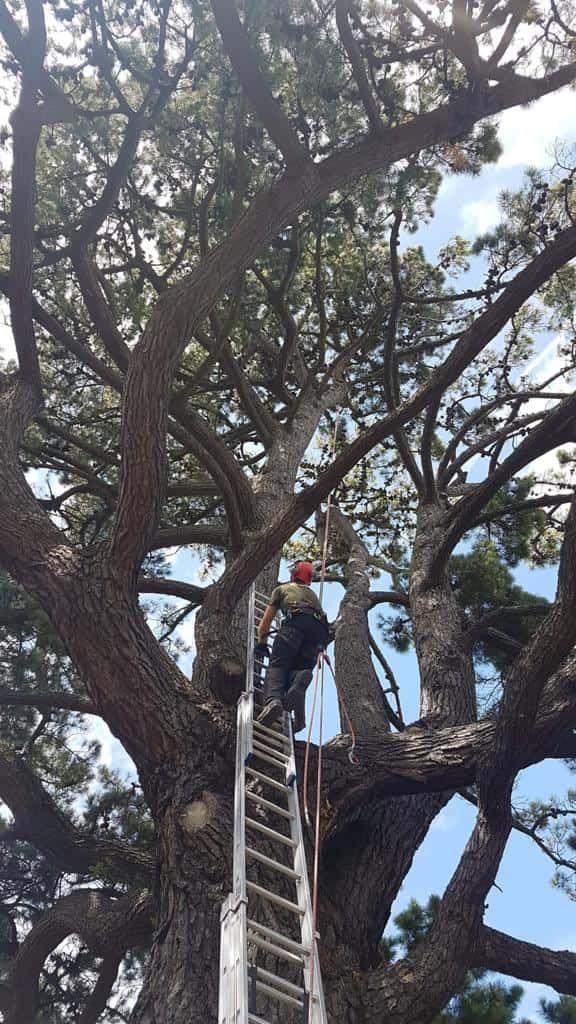
Understanding How Professional Tree Surgery Can Restore an Overgrown Garden
An overgrown garden can become difficult to use when trees and hedges block light, restrict access or spread into neighbouring planting. However, effective tree management is not simply a matter of cutting everything back as far as possible.
The correct work depends on each tree’s species, size, condition and position. For property owners in Ashtead, Surrey, a professional assessment can identify which growth should be retained, what requires attention and whether the garden would benefit from a phased approach.
A Full Tree and Garden Assessment
Before any cutting begins, a tree surgeon should inspect the trees and consider how they interact with the surrounding garden.
The assessment may examine:
- Tree species and maturity
- General health and vigour
- Dead, damaged or crossing branches
- Canopy size and balance
- Clearance from buildings and paths
- Rooting conditions
- Nearby fences and garden structures
- Access for equipment and removed material
This helps distinguish healthy overgrowth from structural defects that require more urgent attention.
General Tree Pruning
Selective pruning may be appropriate where a tree is generally healthy but has developed awkward, crowded or poorly positioned growth.
Professional pruning can remove:
- Crossing or rubbing branches
- Damaged limbs
- Weakly attached growth
- Branches obstructing access
- Unwanted shoots
- Growth extending into other plants
Each cut should have a clear purpose. Randomly shortening branches can leave the canopy unbalanced and encourage dense, weak regrowth.
Crown Reduction for Trees That Have Become Too Large
Crown reduction decreases a tree’s overall height or spread by shortening selected branches back to suitable growth points. It may be useful where a canopy has become too large for the available space or is dominating the garden.
A well-planned reduction can:
- Create greater clearance
- Reduce excessive canopy spread
- Improve the tree’s proportions
- Allow more light into the garden
- Reduce the leverage of long branches
- Make future management more practical
The amount removed must suit the tree. Excessive reduction can cause unnecessary stress and spoil its natural structure.
Crown Thinning to Reduce Canopy Density
Crown thinning removes selected smaller branches throughout the outer canopy without substantially changing its overall dimensions.
This can allow more light and air to pass through a dense crown while retaining the tree’s natural outline. It may also reduce crowding where branches are competing for space.
Thinning should be distributed evenly. Removing too much internal growth can leave long outer branches with poor support.
Crown Lifting to Improve Clearance
Crown lifting involves removing or shortening lower branches to create more space beneath the canopy.
This may improve clearance above:
- Lawns
- Paths
- Driveways
- Seating areas
- Garden beds
- Sheds or other structures
Care is required when working on mature trees because removing large lower limbs can create substantial wounds. In some cases, shortening selected branches is preferable to removing them completely.
Deadwood Removal
Overgrown canopies can conceal dead or broken branches. These may become less secure as they deteriorate, particularly when positioned above areas used regularly.
Deadwood removal focuses on branches that no longer contribute to the living canopy. It can improve the tree’s appearance and reduce obstructions while allowing the healthy structure to remain.
The tree surgeon should also consider why branches have died, as widespread deadwood may indicate an underlying health or root problem.
Managing Trees Close to Buildings and Structures
Branches growing against roofs, walls, fences or outbuildings may require selective pruning. The aim is to create reasonable clearance without destabilising or severely unbalancing the tree.
Simply removing every branch from one side can shift the canopy’s weight distribution and leave an unnatural shape. A professional approach considers both the immediate clearance requirement and how the tree will respond afterwards.
Tree Felling Where Retention Is No Longer Practical
Most overgrown trees can be managed through suitable pruning, but complete removal may sometimes be the most appropriate option. This may apply where a tree is severely damaged, structurally unsuitable for its position or preventing the garden from functioning effectively.
In restricted spaces, the tree may need to be dismantled in sections. Branches and trunk pieces are removed gradually using controlled cutting and lowering techniques to protect the surrounding garden.
Felling should follow a careful assessment rather than being the automatic response to excessive size.
Stump Grinding After Tree Removal
Once a tree has been felled, the remaining stump can obstruct future landscaping, mowing or replanting. It may also continue producing shoots in some circumstances.
Stump grinding uses specialist equipment to reduce the stump below the surrounding ground level. The appropriate grinding depth depends on how the area will be used afterwards, whether for planting, lawn or another garden feature.
Hedge Cutting and Reduction
Overgrown hedges can occupy substantial garden space, block light and lose their defined shape. Professional hedge work may involve routine trimming, height reduction, width reduction or the selective removal of older growth.
Severe cutting is not suitable for every hedge species. Where growth has been neglected for several years, staged reduction may provide a better result than attempting to restore the desired size in one visit.
Controlling Self-Seeded and Unwanted Growth
Overgrown gardens often contain young self-seeded trees growing close to fences, walls or established planting. Although initially small, these trees can become difficult to manage if left in unsuitable positions.
Early removal is generally less disruptive than waiting until the trunk and root system have developed. A tree surgeon can distinguish unwanted seedlings from specimens worth retaining and managing.
Why Work May Need to Be Completed in Stages
Attempting to transform an overgrown garden in one session is not always appropriate. Heavy pruning across several trees can suddenly alter light levels, exposure and the garden’s overall balance.
A phased plan may include:
- Removing dead or damaged branches
- Restoring essential access and clearance
- Reducing selected canopies
- Managing hedges and self-seeded growth
- Reviewing how retained trees respond
- Planning future maintenance
This approach allows improvements to be made without placing unnecessary stress on healthy trees.
Planning Ongoing Tree Maintenance
Once the garden has been brought under control, periodic inspections and selective pruning can prevent it from becoming unmanageable again.
Useful maintenance may include:
- Monitoring new growth
- Removing developing defects early
- Maintaining clearance around structures
- Trimming hedges before they become excessively wide
- Checking trees after strong winds
- Reviewing mature canopies periodically
Consistent, measured care is usually preferable to infrequent and severe cutting.
Conclusion
An overgrown garden may require general pruning, crown reduction, crown thinning, crown lifting, deadwood removal, hedge management or the removal of unsuitable trees and stumps. The correct combination depends on the condition of each tree and how the garden needs to function.
If trees are restricting the use of your garden in Ashtead, Surrey, NS Tree Surgery Ashtead can assess the site and recommend a proportionate course of work. Professional planning can improve clearance, light and manageability while retaining healthy trees wherever appropriate.
Call us on: 01372 679 991
Click here to find out more about NS Tree Surgery Ashtead
Click here to complete our contact form and see how we can help with your trees needs